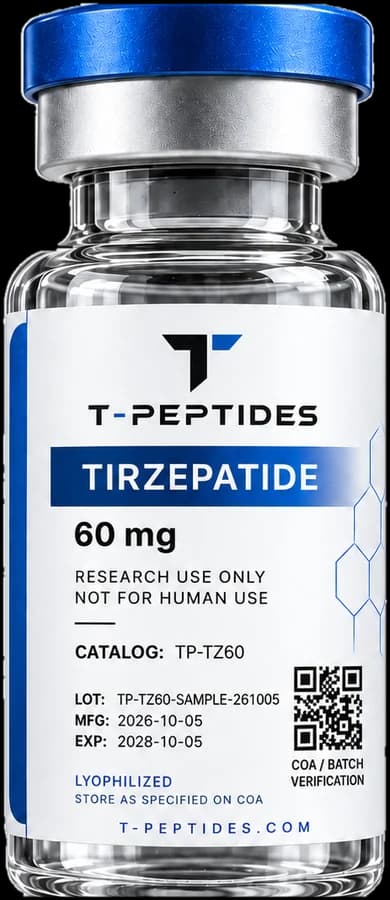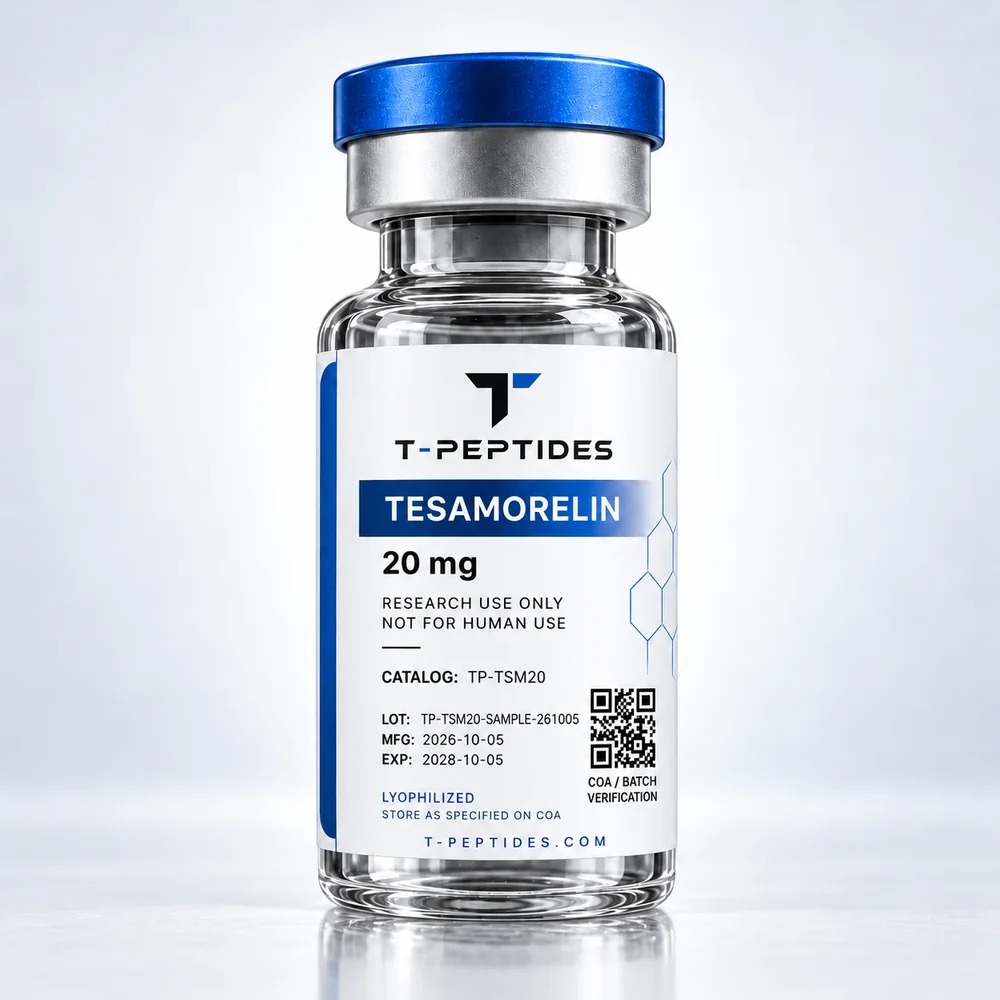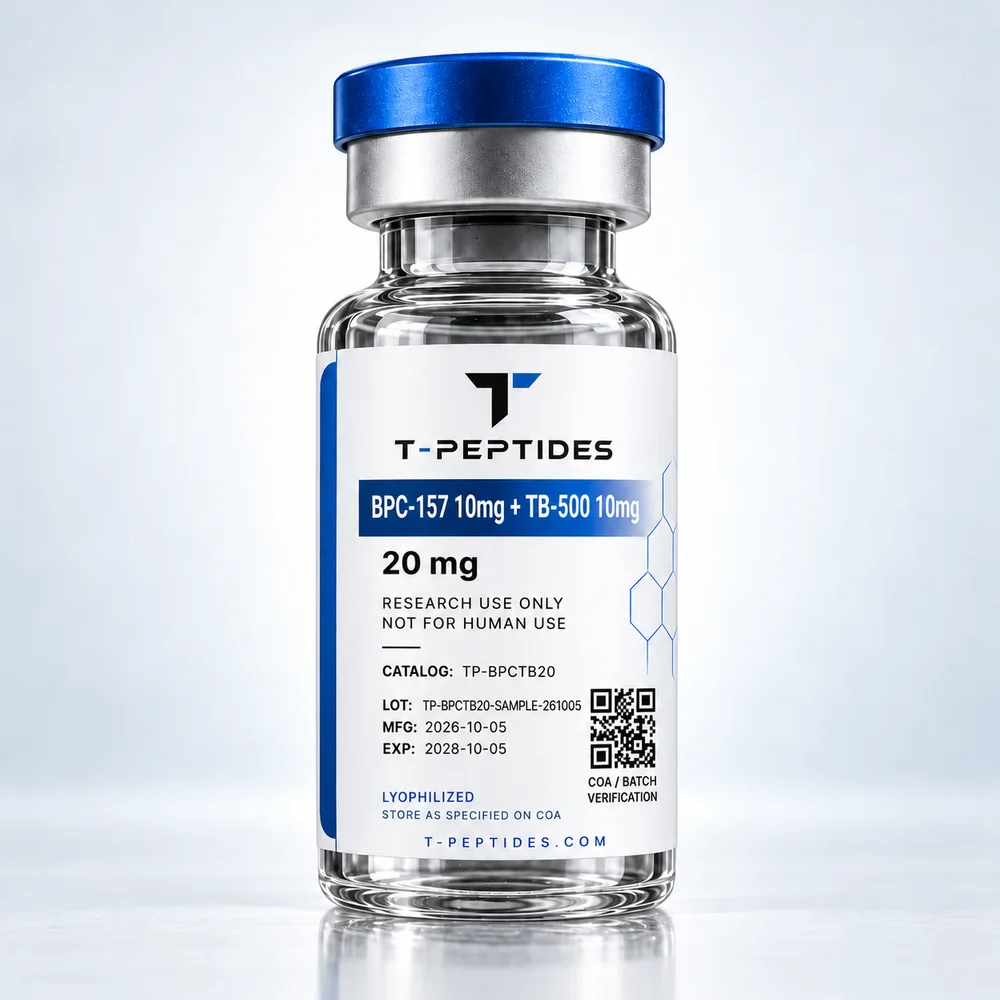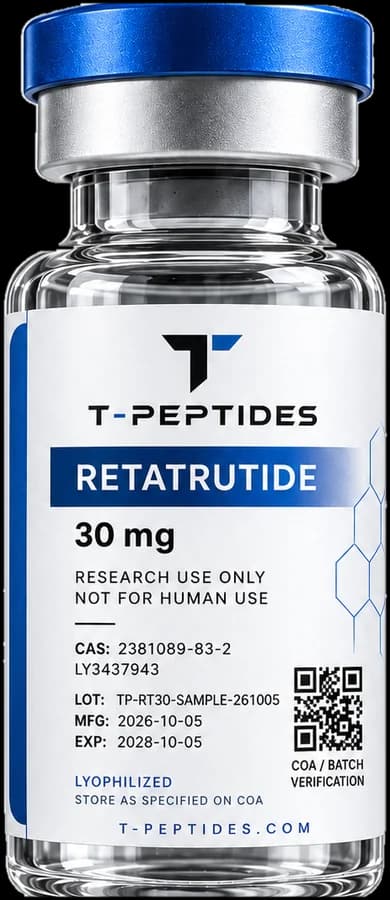
Handling & storage · 6 min read
Lyophilisation and peptide stability
Why research peptides are supplied as freeze-dried powders, and which environmental factors matter most for their stability in storage.
Most research peptides are supplied as a lyophilised (freeze-dried) solid rather than as a solution. The reason is chemical. In water, peptides are exposed to several degradation pathways, including hydrolysis, deamidation and oxidation. Removing the water slows most of these processes considerably.
What freeze-drying does
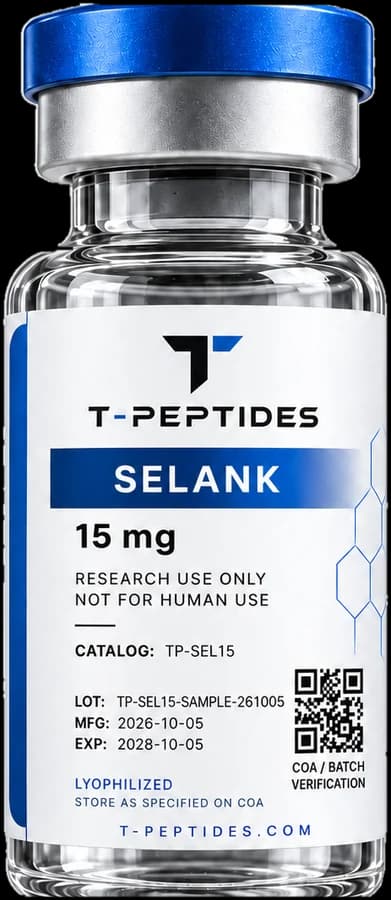
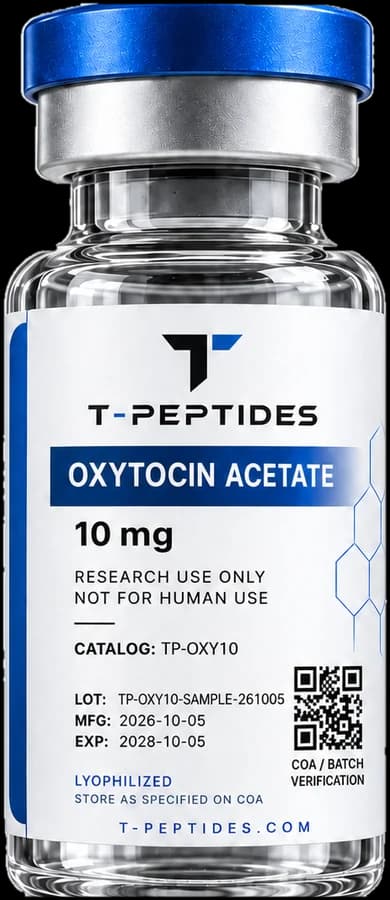
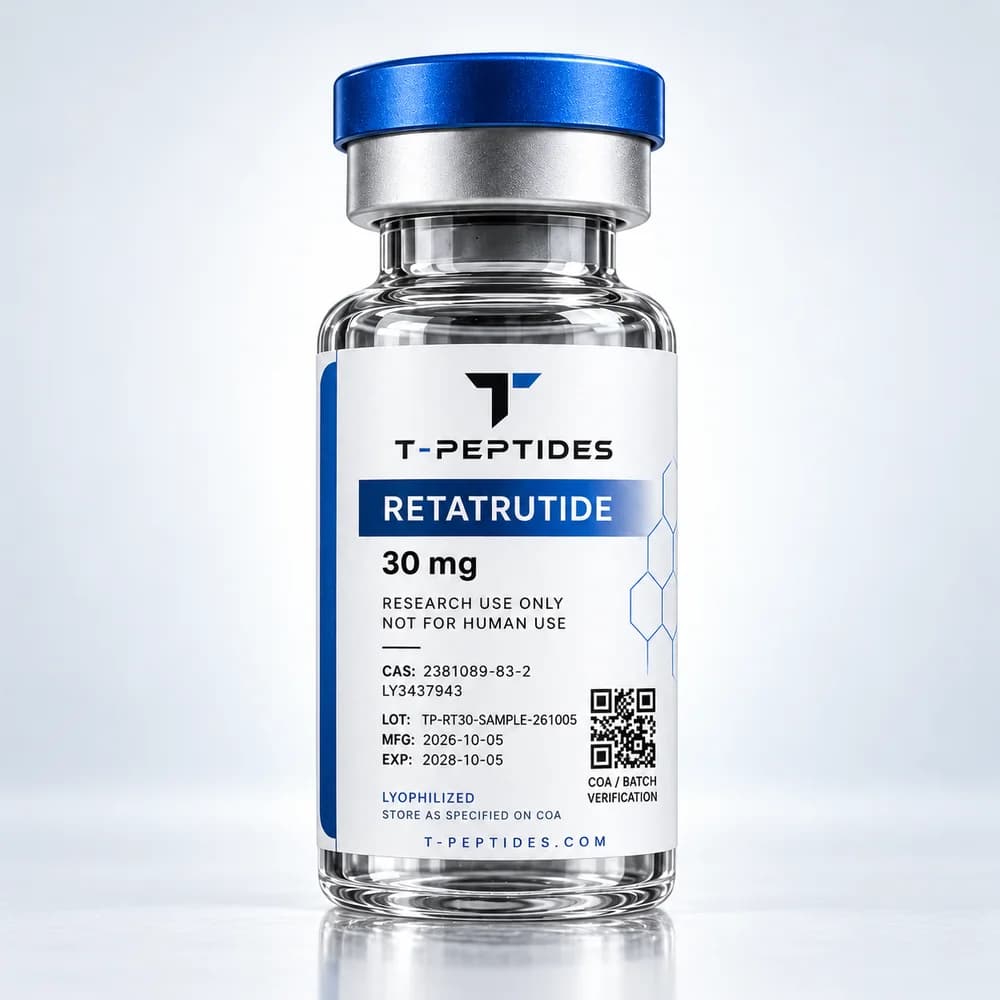
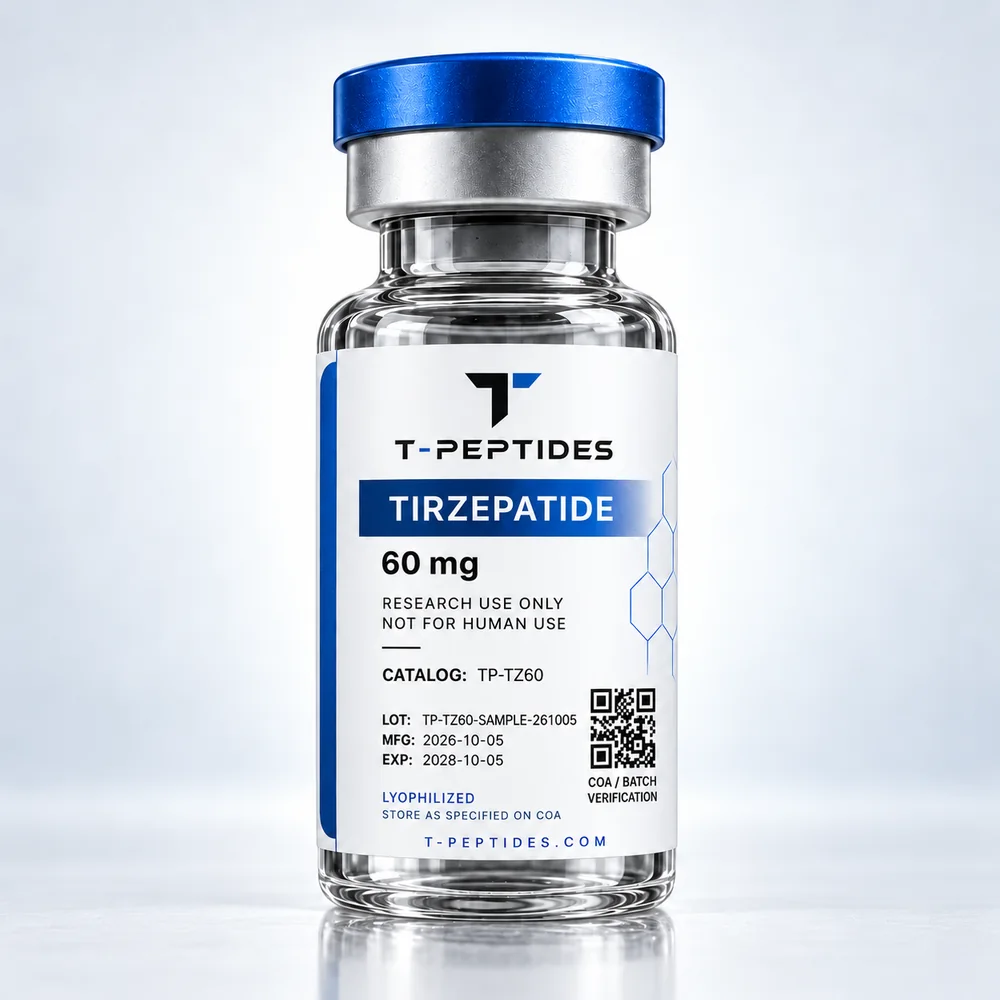
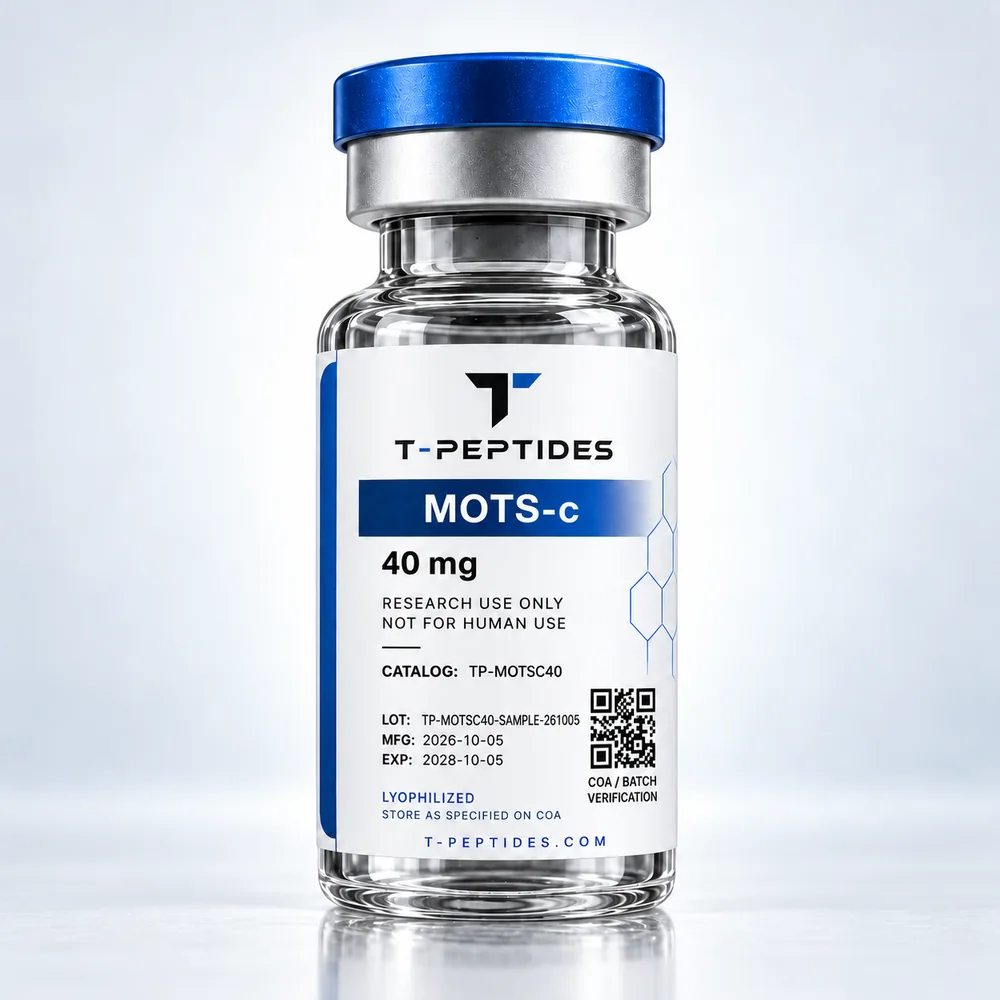
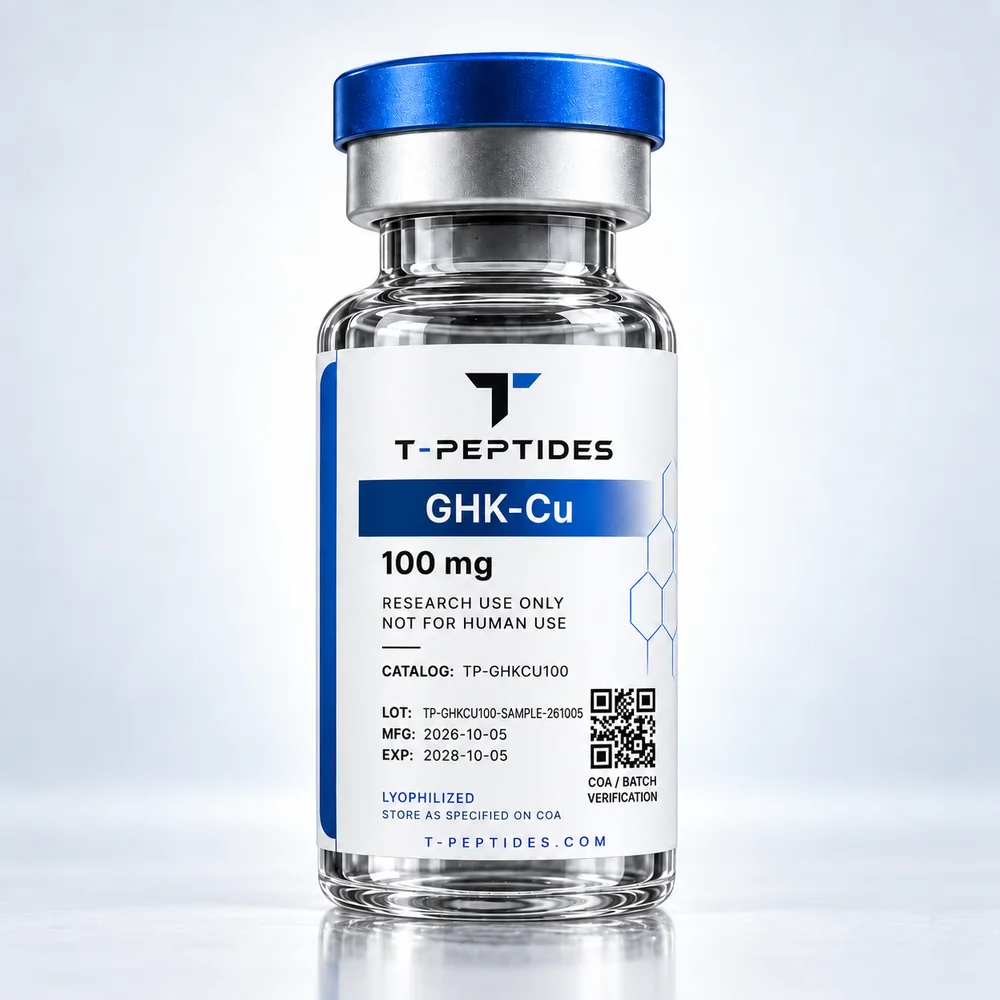
In lyophilisation the peptide solution is frozen, and the ice is then removed by sublimation under vacuum. What remains is a porous cake or powder at the base of the vial, often with a small amount of residual moisture. The process is gentle on the molecule because it avoids high temperatures.
The factors that matter in storage
- Temperature — lower temperatures slow chemical degradation. Lyophilised peptides are commonly held refrigerated or frozen for long-term storage.
- Moisture — lyophilised material is hygroscopic. Allowing a cold vial to reach room temperature before opening limits condensation.
- Light — some residues, such as tryptophan, are light-sensitive; storage away from direct light is standard practice.
- Oxygen — residues such as methionine and cysteine are prone to oxidation; sealed containers limit exposure.
- Freeze–thaw cycles — repeated cycling can affect stability and is generally avoided.
Why this matters for procurement
Stability depends on how a product is handled between manufacture and receipt, as well as on how it is made. For volume orders, it is reasonable to confirm storage and transport conditions with the supplier as part of the inquiry.
Educational reference only. T-PEPTIDES products are supplied for laboratory research use only and are not for human or veterinary use.